Picture this: you’re scrolling through your phone on a Tuesday evening. One tab has a Zara drop that’s already sold out in three sizes. Another tab has a Bottega Veneta bag that costs more than your monthly rent — and somehow, you still want it. Welcome to fashion in 2026, where the gap between luxury and fast fashion has never been more fascinating, more complicated, or more hotly debated.
For decades, the fashion world operated on a fairly clear hierarchy. Luxury at the top, high street in the middle, fast fashion at the bottom. But that pyramid has been crumbling for years, and in 2026, it’s practically rubble. The lines have blurred, the players have shifted, and consumers — savvier and more values-driven than ever — are forcing both ends of the spectrum to rethink everything.
At fashioncore.space, we’ve been tracking these seismic shifts closely. Here’s your definitive guide to the luxury fashion vs fast fashion debate in 2026 — and what it means for your closet.
The State of Play: Where Both Worlds Stand in 2026
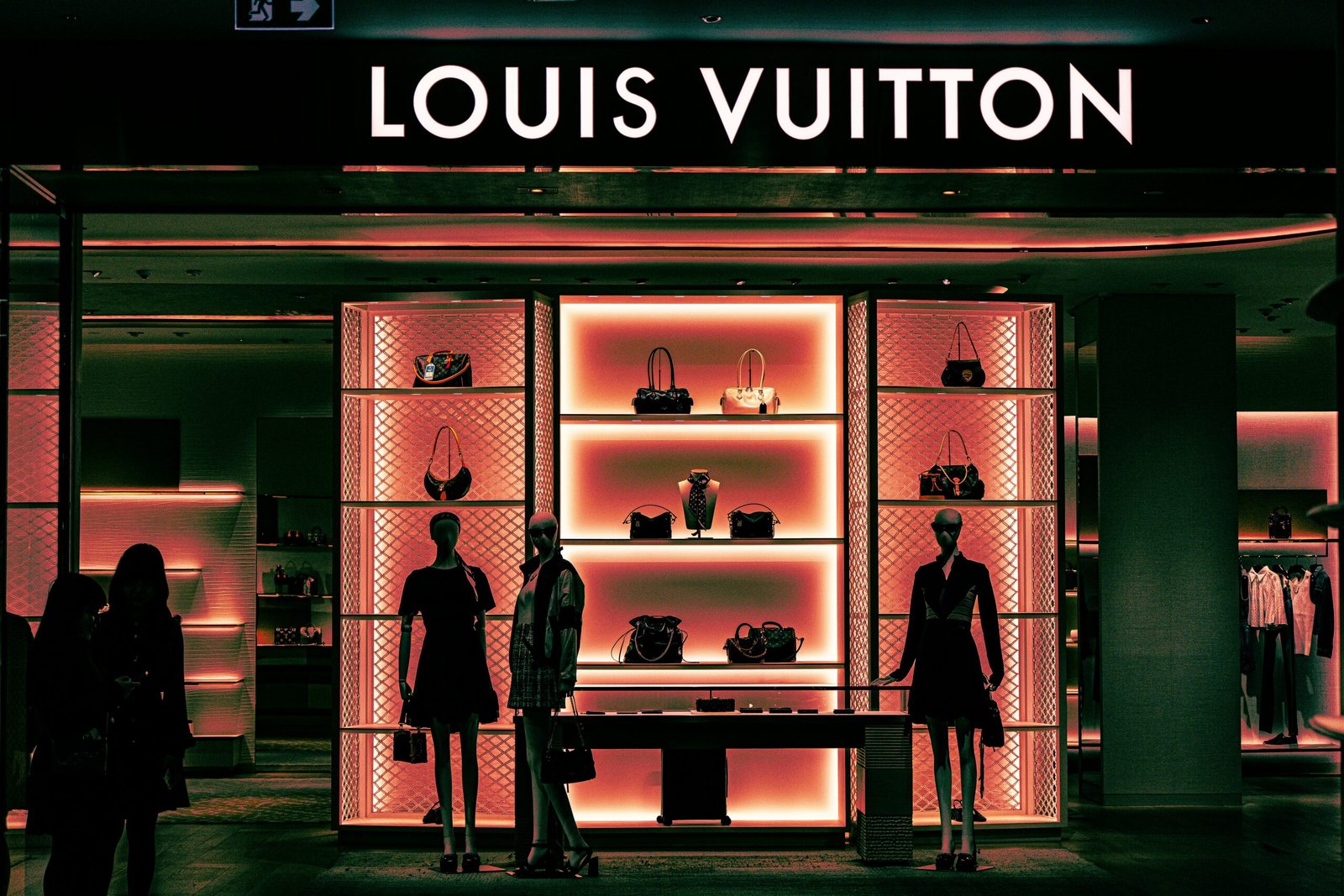
Let’s set the scene. The global fashion industry is worth over $1.7 trillion in 2026, and both luxury and fast fashion are growing — but in strikingly different ways. Luxury fashion has bounced back from its post-pandemic wobble with a vengeance. Houses like Hermès, Louis Vuitton, and Prada have reported record revenues, driven by a growing ultra-wealthy consumer base in Asia and the Middle East, combined with a “buy less, buy better” mindset taking hold among affluent millennials in Europe and North America.
Fast fashion, meanwhile, is in a more complicated position. Brands like Zara and H&M continue to generate enormous revenue, but they’re facing mounting pressure from regulators, sustainability advocates, and a Gen Z consumer base that is increasingly vocal about ethical consumption. And then there’s the elephant in the room: ultra-fast fashion platforms like Shein, which have rewritten the economics of cheap clothing entirely — producing thousands of new styles daily and shipping globally at prices that seem almost impossible.
$1.7TGlobal fashion market 2026
+18%Luxury sector growth (YoY)
73%Gen Z who factor ethics into purchase decisions
Luxury Fashion in 2026: Evolution, Not Revolution
Luxury fashion isn’t resting on its monogrammed laurels. The most interesting thing happening at the high end of the market right now isn’t just the clothes — it’s the strategy. Luxury houses are reinventing themselves in ways that would have seemed unthinkable a decade ago.
The Quiet Luxury Era Keeps Evolving
“Quiet luxury” — that whole aesthetic of understated, logo-free, beautifully made clothing — took the internet by storm a few years back, and it hasn’t gone anywhere. If anything, it’s matured in 2026 into something richer and more nuanced. Brands like The Row, Loro Piana, and Brunello Cucinelli continue to represent the apex of this movement: clothing that whispers rather than shouts, where quality speaks louder than any label.
But in 2026, quiet luxury has developed a new dimension — call it purposeful luxury. Consumers at this end of the market aren’t just paying for beautiful cashmere or impeccable tailoring. They’re paying for provenance. They want to know that the wool came from a specific farm in Scotland, that the artisan who made their bag has a name and a livelihood, and that the piece they’re buying will genuinely last twenty years. This shift has pushed luxury brands to be radically more transparent about their supply chains — and the ones doing it well are reaping enormous loyalty rewards.
Luxury Goes Digital — Carefully
The other major story in luxury fashion right now is the tension between digital engagement and brand exclusivity. Luxury houses have historically been wary of social media overexposure — the fear being that too much visibility kills the mystique. But in 2026, that calculus has changed. Brands like Jacquemus have built massive, culturally relevant social media presences without sacrificing their luxury positioning. Loewe under Jonathan Anderson has become one of the most-discussed houses online, celebrated for campaigns that feel genuinely artistic rather than commercial.
The smartest luxury brands have figured out how to be present online without being available to everyone — a delicate but incredibly powerful balance.
“In 2026, the most desirable luxury isn’t about what you own. It’s about what you know — and what you chose to wait for.”
Fast Fashion in 2026: Under Pressure and Adapting Fast
Fast fashion is in a fascinating, turbulent moment. On one hand, demand for affordable, trend-driven clothing has never been higher — especially in emerging markets where a growing middle class wants to participate in global fashion culture without luxury price tags. On the other hand, the model that made fast fashion possible is creaking under the weight of environmental regulation, consumer backlash, and some genuinely damning investigative journalism.
The Shein Phenomenon: Ultra-Fast’s Complicated Legacy
No conversation about fast fashion in 2026 is complete without addressing Shein. The Chinese ultra-fast fashion giant has been simultaneously the most disruptive and most controversial force in the industry this decade. Its ability to churn out thousands of new styles per day at almost impossibly low price points has genuinely democratized access to trend-led fashion for millions of consumers globally. But the questions about labor conditions, intellectual property theft from independent designers, and environmental impact haven’t gone away — they’ve gotten louder.
In 2025 and into 2026, Shein has been navigating new EU textile regulations that require greater transparency, minimum durability standards, and extended producer responsibility for waste. How it adapts — or doesn’t — will be one of the defining fashion industry stories of the next few years.
The High Street Fights Back
Traditional fast fashion giants like Zara (Inditex) and H&M aren’t giving up without a fight. Zara, in particular, has made serious investments in on-demand manufacturing and fabric recycling programs. Their “Pre-Owned” resale platform, launched a couple of years ago, has gained real traction — a sign that even fast fashion brands understand that the secondhand and circular economy is no longer a niche concern but a mainstream consumer behavior.
H&M’s Conscious Collection has faced plenty of criticism for greenwashing in the past, but the 2026 iteration is notably more rigorous — backed by third-party certification and a genuine reduction in virgin synthetic fiber use. Progress? Yes. Enough? That’s still hotly debated.
Luxury vs Fast Fashion: How They Stack Up in 2026
| Factor | Luxury Fashion | Fast Fashion |
|---|---|---|
| Price Point | High — exclusive by design | Accessible to most budgets |
| Sustainability | Increasingly transparent & durable | Still a major concern, improving slowly |
| Trend Speed | Seasonal — sets trends | Daily — chases trends |
| Craftsmanship | High — artisanal & long-lasting | Variable — often disposable |
| Cultural Cachet | Strong aspiration & status value | Growing via social media virality |
| Innovation | Material innovation, digital exclusivity | Supply chain speed, AI trend prediction |
| Resale Value | Strong — some pieces appreciate | Near zero |
The Middle Ground: Where the Real Action Is
Here’s the plot twist that neither luxury brands nor fast fashion giants want to talk about: the most exciting space in fashion right now is the territory between them. A wave of “accessible premium” or “new contemporary” brands is capturing consumers who are deeply dissatisfied with fast fashion’s quality but simply can’t afford (or don’t want to spend) true luxury prices.
Brands like Toteme, Aritzia, Sézane, and Reiss are winning this middle ground with a compelling proposition: beautifully designed, well-made pieces at prices that feel like a genuine investment rather than a gamble. They’re not cheap — but they’re not trying to be. They’re building the kind of brand loyalty that fast fashion can’t manufacture at any price.
This segment is also where secondhand and vintage fashion is thriving. Platforms like Vestiaire Collective, Depop, and The RealReal have normalized pre-owned luxury and premium fashion for younger consumers, creating a circular market that genuinely disrupts both ends of the spectrum. In 2026, buying a pre-owned Prada piece isn’t a compromise — it’s a flex.
4 Trends Defining the Fashion Battle in 2026
Trend 01
AI-Designed Collections
Both luxury and fast fashion brands are using AI to predict trends and design pieces — but with very different philosophies and results.
Trend 02
Resale as Retail
Secondhand is mainstream. Brands from Burberry to Levi’s now offer official resale platforms, turning pre-owned into a growth channel.
Trend 03
Regulation Pressure
New EU and UK textile regulations are forcing fast fashion to rethink disposability — and giving sustainable brands a competitive edge.
Trend 04
Cultural Dressing
Consumers globally are choosing brands that reflect their identities — fueling growth for culturally specific designers over generic global labels.
So, Who’s Winning in 2026?
The honest answer? It’s complicated — and that’s what makes fashion in 2026 so genuinely interesting. Luxury fashion is winning on prestige, craftsmanship, and cultural conversation. Fast fashion is winning on access, volume, and speed. But the consumer in the middle — thoughtful, values-conscious, and increasingly educated about what they’re buying — is the one with the real power.
What’s clear is that neither model can afford to stand still. Luxury brands that ignore digital culture and accessibility will lose the next generation of aspirational shoppers. Fast fashion brands that ignore sustainability and ethics will face regulatory and reputational consequences they can’t outrun forever.
The most exciting fashion story of 2026 isn’t the battle between these two worlds — it’s the emerging space between them, where creativity, ethics, craftsmanship, and accessibility are finally being designed together. And at fashioncore.space, that’s the story we’ll keep telling.
The future of fashion belongs to those who refuse to choose between beautiful and responsible. And honestly? That future is looking very good indeed.
Frequently Asked Questions: Is luxury fashion actually worth the price in 2026?
For many consumers, yes — but the definition of “worth it” has expanded. Beyond the quality and craftsmanship argument, luxury pieces increasingly hold or appreciate in resale value, making them a genuine financial consideration as well as an aesthetic one. The key is buying from houses with strong heritage and avoiding trend-chasing luxury items that depreciate quickly. Is fast fashion becoming more sustainable in 2026?
Slowly, yes. New EU regulations on textile waste and minimum durability standards are forcing meaningful change, particularly from major high street brands like Zara and H&M. Ultra-fast fashion platforms like Shein are under significant regulatory pressure, though critics argue that incremental improvements don’t fundamentally address the overproduction model that drives the industry. What is “quiet luxury,” and is it still relevant in 2026?
Quiet luxury — the aesthetic of understated, logo-free, quality-focused dressing — remains highly relevant in 2026, but has evolved into what many are calling “purposeful luxury.” It’s no longer just about looking discreet; it’s about being able to articulate where your clothes came from, who made them, and why they’re worth keeping for decades. What are the best alternatives to fast fashion for budget-conscious shoppers?
The secondhand and resale market is your best friend. Platforms like Depop, Vestiaire Collective, and Vinted offer everything from affordable vintage to pre-owned luxury at a fraction of retail prices. Additionally, mid-market brands like Sézane, Toteme, and Arket offer genuinely well-made pieces at accessible-premium price points — a much better investment than disposable fast fashion. © 2026 fashioncore.space · All Rights Reserved · Fashion Intelligence for a Global Audience